
In the demanding environments of South Africa’s primary mining sectors, safeguarding remote utility and process corridors is a critical operational necessity. Located in Marikana within the North West Province, the sprawling pipeline network of a premier platinum mining complex faced constant exposure to high-stakes threats, including malicious sabotage and sophisticated illegal tapping syndicates. Traditional physical patrols left tens of kilometres of infrastructure vulnerable to catastrophic downtime, environmental risk, and millions of Rands in lost daily revenue.
To eliminate these vulnerabilities, Cable Network Specialists (CNS) engineered an automated, future-proof defense ecosystem that treats industrial perimeter security as a direct extension of high-performance network infrastructure. By designing a low-latency telemetry backbone and executing precision fibre-optic reticulation and splicing, CNS seamlessly integrated the Odet SmartSense Pipeline Intrusion System directly into the mining complex’s security framework. The result is an intelligent, zero-field-power monitoring solution capable of identifying, classifying, and pinpointing threats along vast linear assets before any structural damage can occur.
Securing the Arteries of Industrial Mining Operations
In massive industrial mining complexes like the Lonmin platinum operations in the North West, utility and process pipelines are the literal lifeblood of production. Transporting everything from chemical slurries to critical process water across tens of kilometres of remote, unmonitored bushveld, these pipelines represent an immense logistical vulnerability.
Traditional physical security patrols are completely ineffective at monitoring vast, linear assets 24/7. This leaves infrastructure exposed to high-stakes threats:
Slick Syndicates: Highly organised groups attempting illegal line taps (tie-ins) to siphon materials or steal surrounding copper infrastructure.
Malicious Sabotage: Vandalism that can cause catastrophic environmental spills and immediate production shutdowns.
Exorbitant Downtime: For a premier mining operation, a single pipeline breach can halt downstream processing entirely, translating directly into millions of Rands in lost daily revenue.
To safeguard these vital lines, the client required a continuous, intelligent monitoring solution that could detect threats before a pipe could be breached, without requiring an expensive, high-maintenance electrical footprint in the middle of the veld. Cable Network Specialists (CNS) was commissioned to engineer the network architecture.
Turning Fibre-Optic Reticulation into an Acoustic Sensor
Precision Fibre-Optic Splicing & Layout
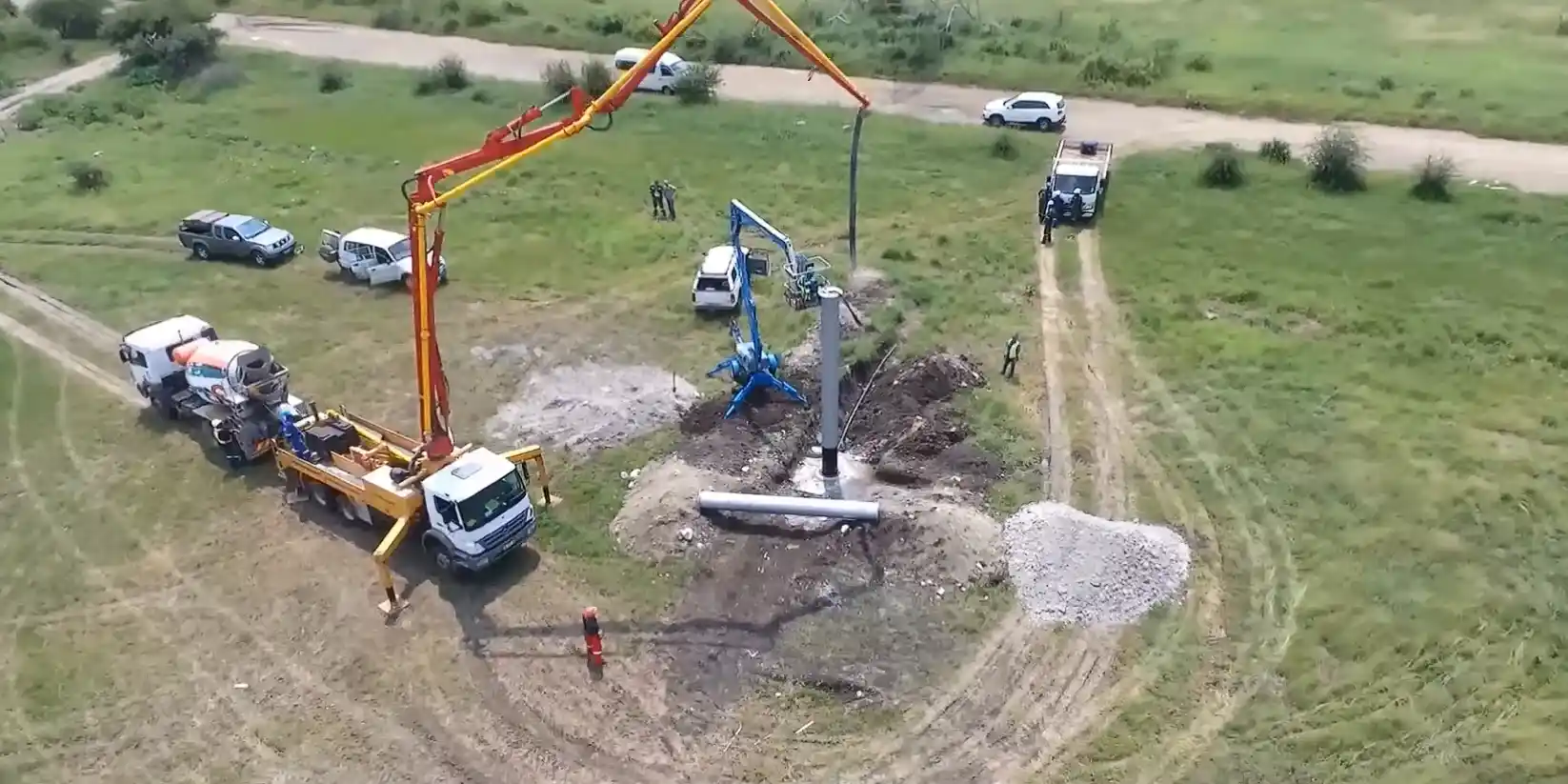
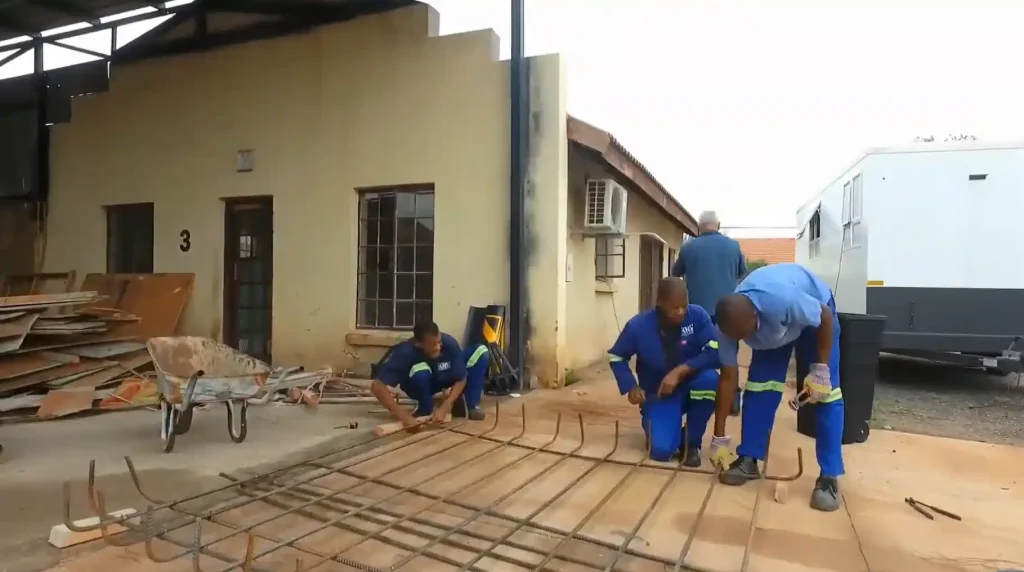
CNS reticulated specialised, highly sensitive fibre-optic cables parallel to the subterranean and surface pipeline routes. Our technical teams executed precision splicing across extreme distances, ensuring zero optical signal attenuation. This immaculate physical layout forms the foundation of the entire telemetry ecosystem.
Implementing Odet SmartSense Acoustic Intelligence
Once the fibre-optic backbone was laid, CNS connected it to specialised Odet SmartSense processing units located securely in remote sub-stations.
The system operates by injecting laser pulses down the fibre cable and analysing the minute changes in light backscatter caused by environmental acoustic vibrations. Essentially, CNS transformed the entire length of the fibre cable into a continuous, highly sensitive microphone array that listens to the earth surrounding the pipeline.
Deep Learning Threat Classification
A common failure of legacy seismic monitoring is false alarms caused by typical mining activity. CNS solved this by calibrating the Odet system’s edge-processing algorithms to distinguish between benign operational noises and genuine security threats:
Proactive Machinery Alerts: The system detects the unique seismic signature of heavy excavators, TLBs, or drill rigs approaching the pipeline buffer zone up to tens of metres away—long before a bucket hits the soil.
Manual Sabotage Isolation: It isolates the distinctive high-frequency acoustic patterns of manual shovel digging, pickaxe impacts, or metal sawing.
Intelligent Nuisance Filtering: The smart software filters out deep-level mining blasts, environmental thunder, and heavy haul trucks utilising designated mining roads nearby.

Pinpoint Protection with Zero Field Maintenance
By bridging advanced network reticulation with intelligent edge computing, CNS delivered an unbreachable security layer for the Lonmin pipeline network, achieving several key operational milestones:
Pinpoint Intrusion Localisation: When an unauthorised crossing or digging event occurs, the Odet system calculates the exact location of the threat within a 10-metre radius along a 40-kilometre stretch, allowing rapid, targeted deployment of armed response units.
Zero Field Power Requirements: Because the fibre-optic cable itself acts as the sensor, there is absolutely no active electronic equipment or power cabling required along the remote pipeline route. This eliminates the risk of criminals stealing field security components like solar panels and batteries.
Eradication of Costly Downtime: By shifting the security posture from reactive containment to proactive prevention, CNS helped the mine completely avoid the catastrophic financial and environmental costs associated with pipeline line breaches.
End-to-End Compliance: The telemetry network and data archiving pathways were built to guarantee total alignment with local industrial safety standards and POPI Act data privacy frameworks.
Engineering Infrastructure for South Africa's Primary Sectors
The Lonmin pipeline security deployment highlights the power of innovative network design. With more than 35 years of engineering experience, CNS doesn’t just build networks; we engineer the critical, high-performance infrastructure that secures South Africa’s industrial future.

Do you have a large-scale project requiring precision networking and security?
Cable Network Specialists are expert consultants, technicians and architects. Contact us today to fire up your project.
Frequently Asked Questions
Cable Network Specialists strive to inform and be transparent in all we do. If you don’t see your question answered here, then contact us at info@cnssa.co.za or call +27 11 793 3872.
What is Digital Power and why does it matter for my business?
Digital Power refers to the integration of digital and internet technology with power electronics. For your business, this means more efficient energy conversion, smarter monitoring, and reduced operational costs compared to traditional, non-digital energy systems.